

We are unusually late with our Newsletter but as we welcome a brand-new year, we’re filled with gratitude for the generosity that carried forward our mission at Aaron in 2025. Each act of kindness, each sacrifice, and each element of support has helped make a real difference in Malawi. Together, we can continue uplifting these impoverished rural communities by creating brighter opportunities. Thank you once again for being part of this journey.
Meanwhile, the 2025 U.S. government shutdown had reprecussions around the world, specifically the freeze and drastic cuts to foreign aid via USAID which significantly disrupted development in Malawi.
Once the government was back to work, we discovered that the long-awaited car auction had been postponed until spring 2026, a delay we could not afford. Sourcing most things in Malawi is problematic and a reliable field vehicle is no exception. We are very grateful to Michael Mainje, our Vice-president, who has stepped in and sourced a vehicle from South Africa. Michael was able to collect it at the border, process the paperwork and bring it over.
Thank you for all the contributions that made this possible as this has made a good start to the Compact new year.
Those who are the happiest are those who do the most for others.
Booker T Washington

Flooding Hits Many in 2026
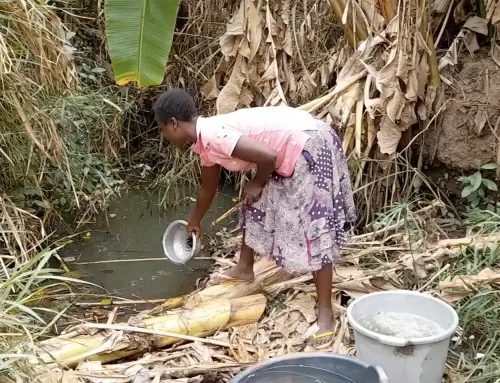
The flooding situation in Nkhotakota, Malawi remains acute as of early January 2026, driven by persistent torrential rains that have once again overwhelmed infrastructure and isolated many communities. Key transport links have been severely damaged or washed away, leading to long queues of stranded vehicles and hindering delivery of essential supplies and humanitarian assistance. Schools in the district have been closed while being used to shelter the homeless.
None of this will make news headlines in the world’s media even though many humanitarian organizations are actively providing support.
Locals in Ndalama and Kawiri reported that they have been cut off from main and access roads but that they have been able to save much of the stored, dried foods harvested earlier in the year. This is a testimony to their resilience and willingness to adapt under strenuous conditions where many other communities implode.